





Podcast: Broken Implant Component Challenges with Dr. Mastrovich
New IMR Podcast: Broken Implant Component Challenges with Dr. Mastrovich. Listen. Learn. Build your IMR skills.

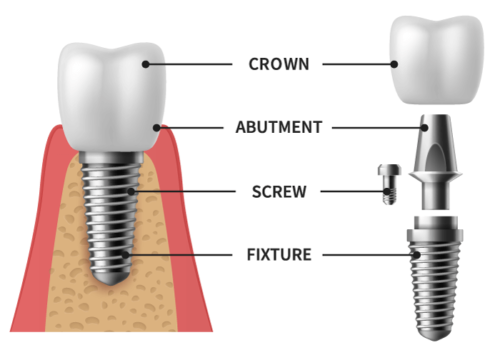
Implant Mechanical Rescue (IMR) is simply the process of recovering or rescuing a case which has suffered a mechanical failure in the supporting implant hardware. Failure can occur for various reasons but if it does, it can involve retrieving fractured screws or abutments, or other components. Additionally, if possible, the central question of ‘why did it fail’, needs to be forensically determined so future repeat failure can be avoided.
Our main goals are:
(A) to help patients who are in need of qualified care for implant mechanical failure; and (B) to help dentists successfully diagnose the problem and treat the situation, or refer to a qualified dentist. (Dentists may experience difficulty with implant mechanical failure in their own cases or in new cases presented upon referral.)
Implant Mechanical Rescue (IMR) is simply the process of recovering or rescuing a case which has suffered a mechanical failure in the supporting implant hardware. Failure can occur for various reasons but if it does, it can involve retrieving fractured screws or abutments, or other components. Additionally, if possible, the central question of ‘why’ did it fail, needs to be forensically determined so future repeat failure can be avoided.
Our main goals are (A) to help dentists who have experienced difficulty with implant mechanical failure, either in their own cases or presented upon referral, to successfully diagnose the problem and treat the situation to the level expertise or refer to a qualified dentist and (B) patients who are in need of qualified care.
Component system failure can potentially be caused by one or more scenarios including contact between teeth (occlusal design), patient based failure, a random event, implant manufacture defects, or accuracy in design of the case. Our team is trained to assist you in gathering information up front in order to help determine if the implant, screw or abutment is broken and what attempts were already made to resolve the problem. Dr. Mastrovich has experience with over 1500 cases that support his efforts to decrease failure and increase success.
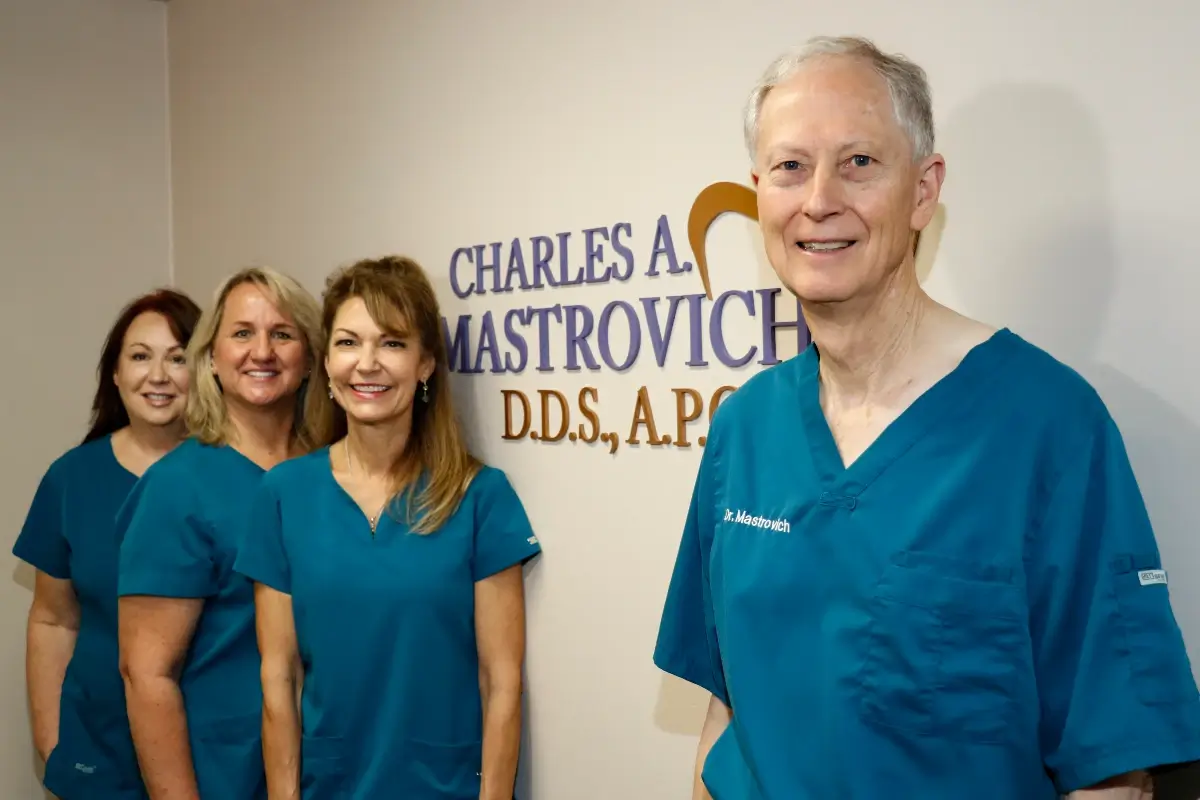
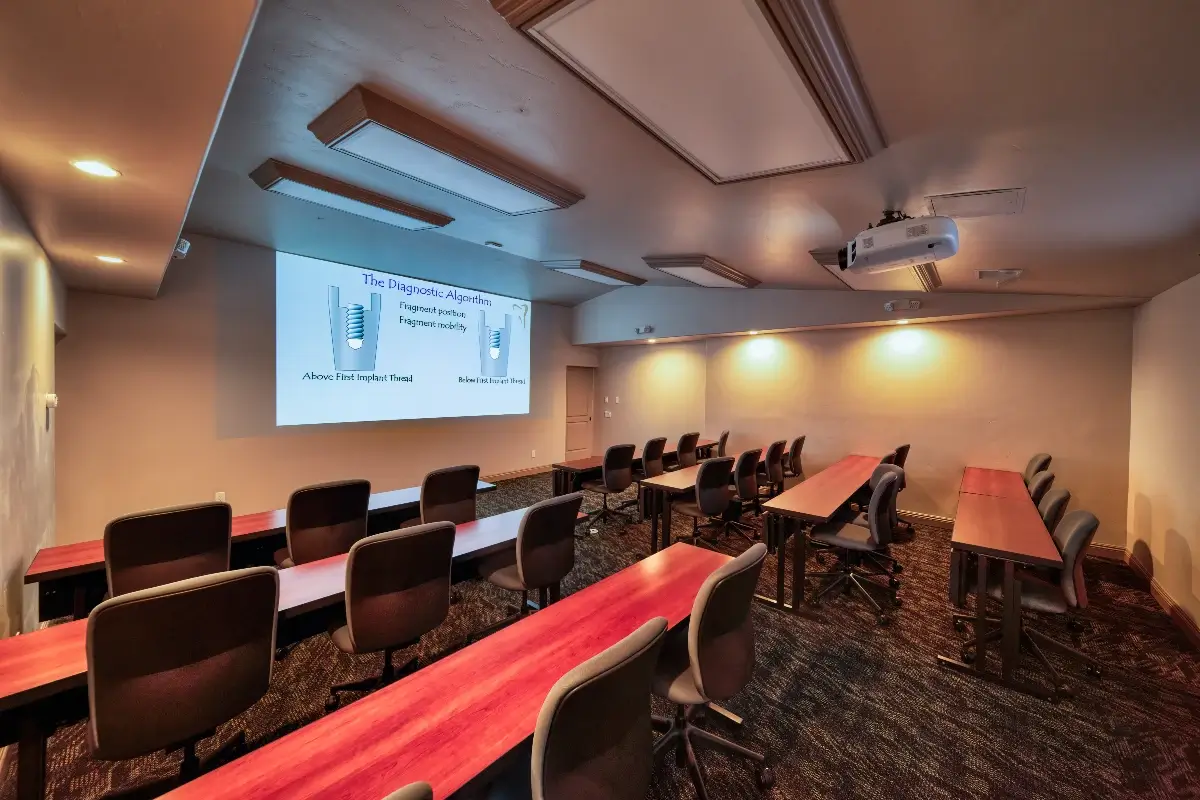
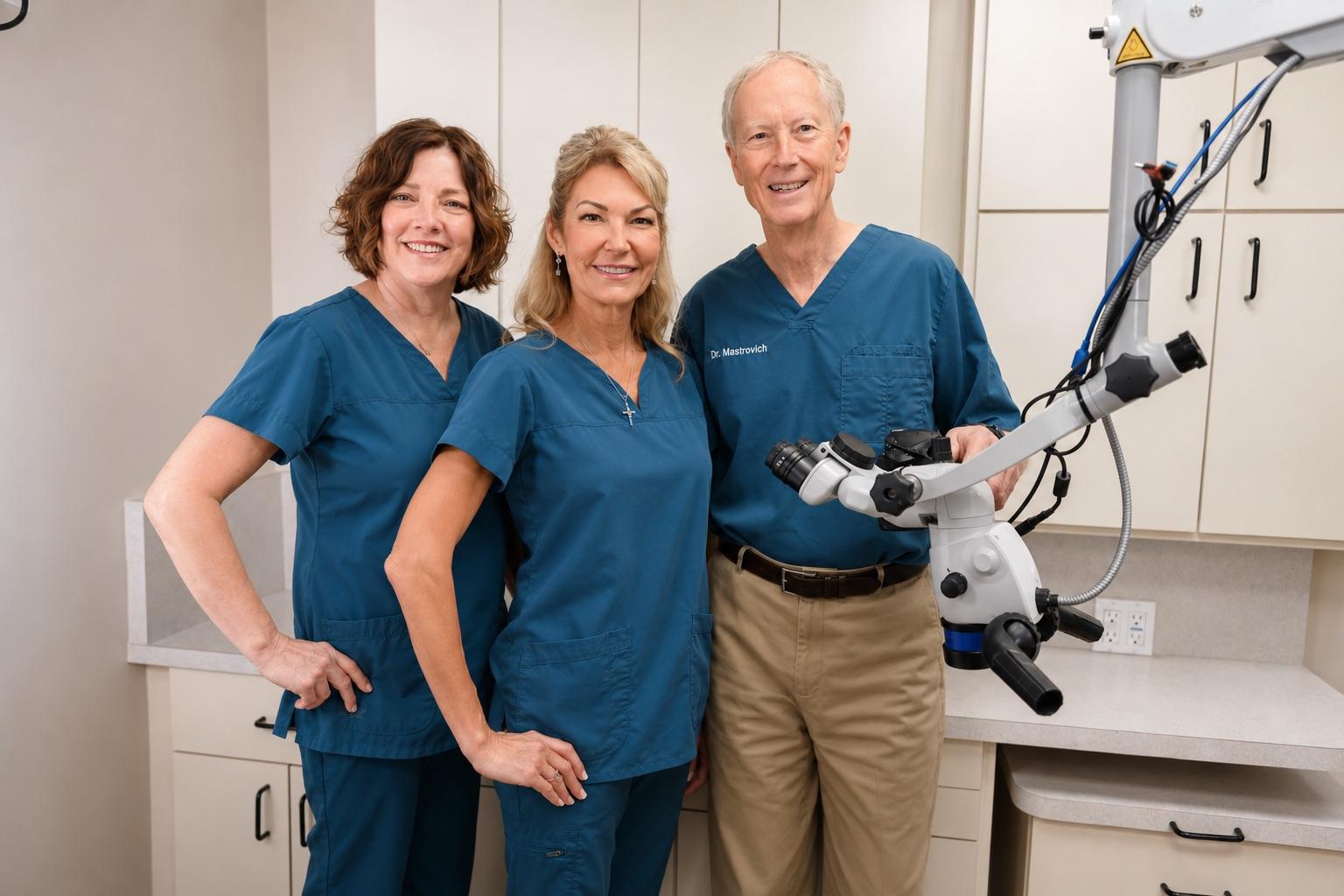
With over 1500 cases successfully performed since 2009, on over 38 implant systems, Dr. Mastrovich is sought after for guest lectures and training. He has lectured to dental study clubs, as well as the larger groups of several hundred dentists to more than a thousand each of the times he has spoken at the Academy of OsseoIntegration. For both dental professionals and patients, Dr. Mastrovich has the ability to present his cutting-edge findings, algorithms and techniques in an accessible and understandable format with relatable examples and case studies.
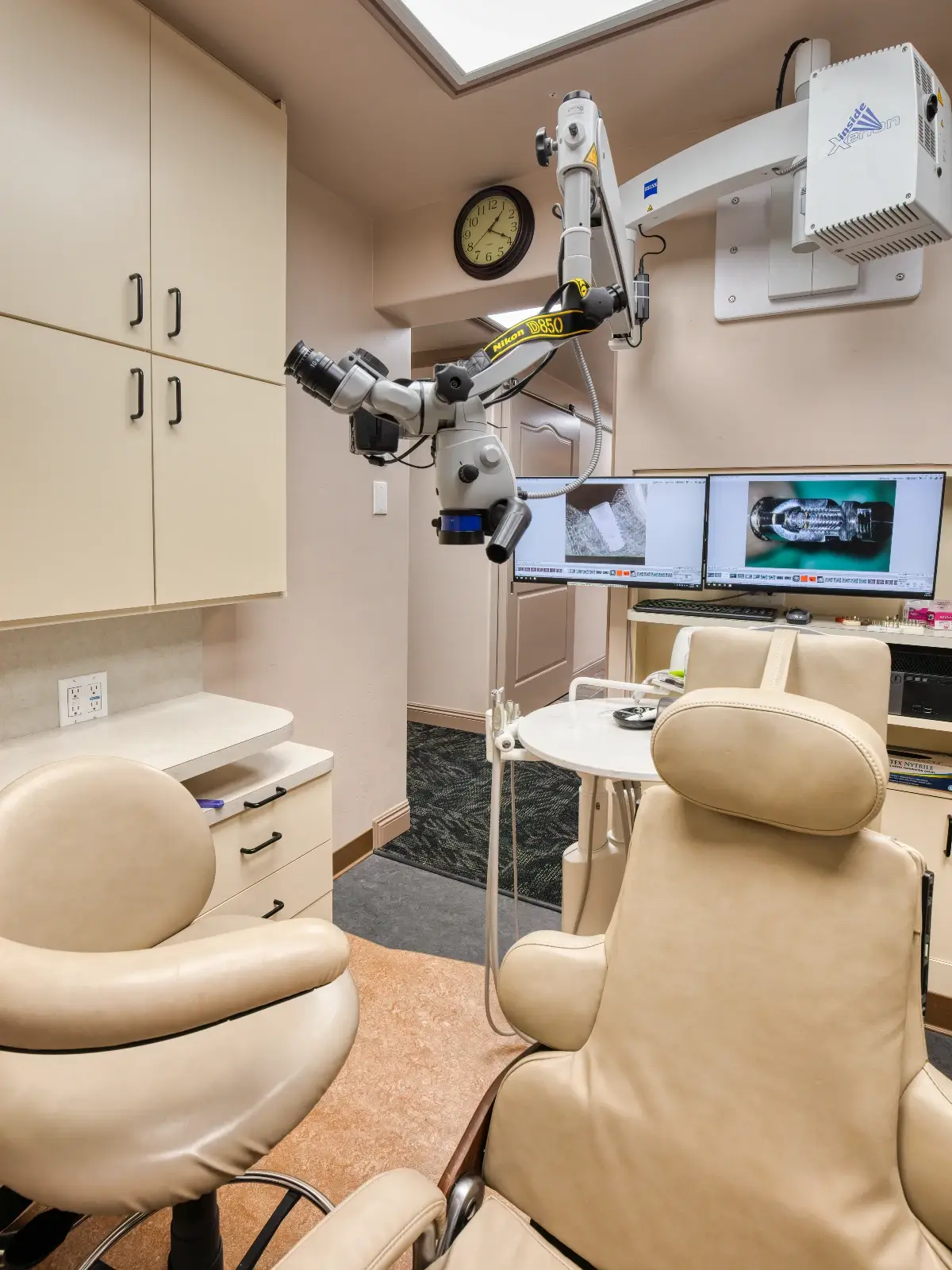
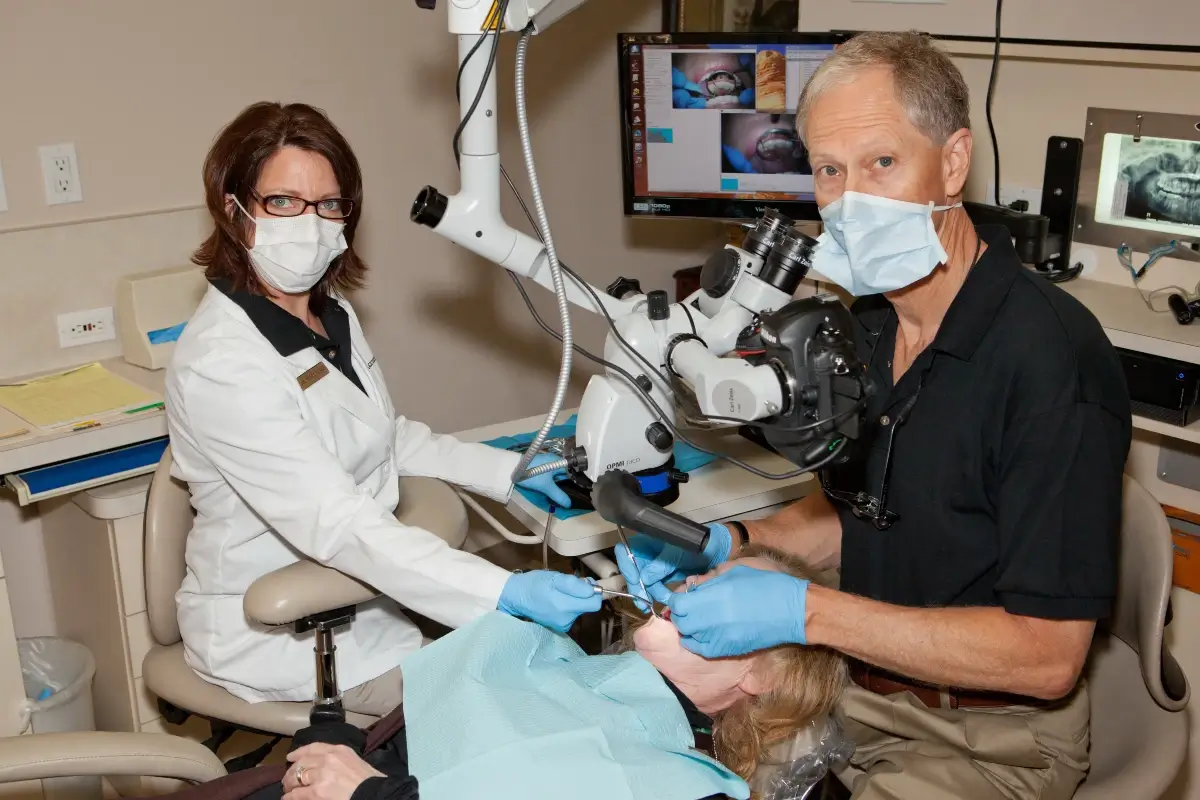
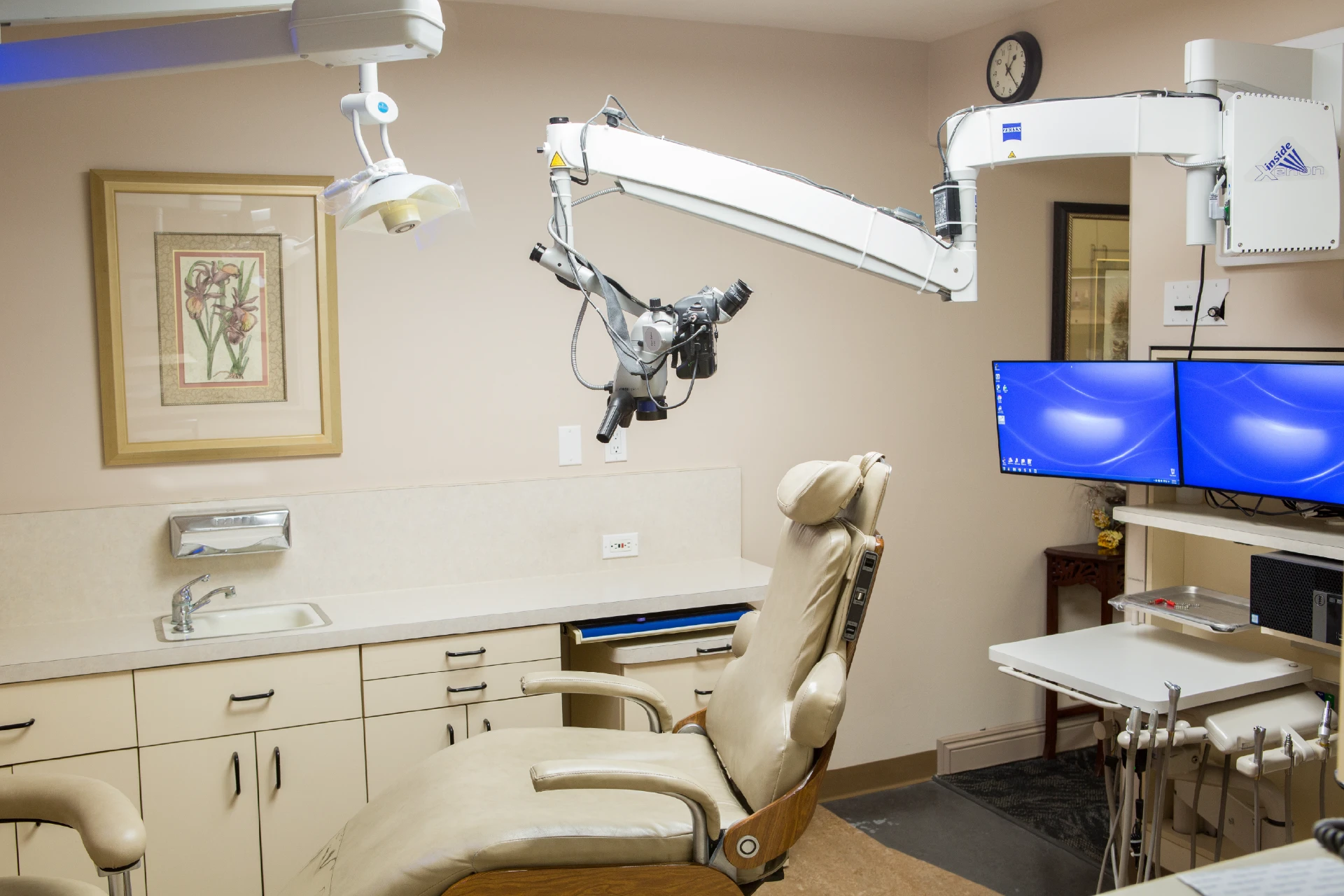
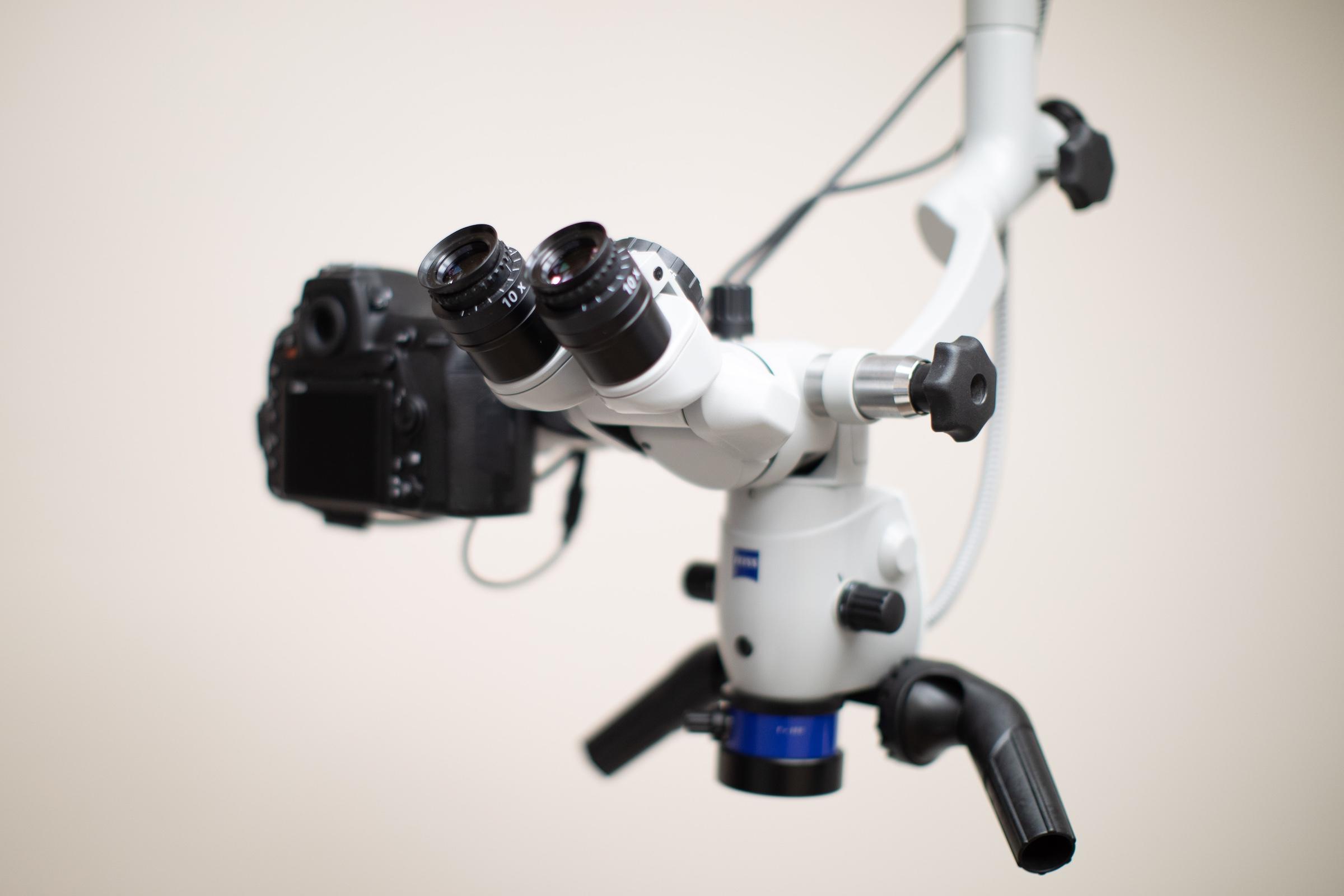
Our goal is to establish a network of dental practices that have committed the effort to position themselves so they can be a “center of referral” for these cases and be highly predictable in the outcomes by utilizing appropriate tooling, microscope visualization, and access to certain precision tooling when needed. Additionally, only the practices involved will be reporting their cases to a common database for statistical analysis of what field, venues, and recovery system used. If many practices are reporting, the database could be large enough to have statistically meaningful data.
New IMR Podcast: Broken Implant Component Challenges with Dr. Mastrovich. Listen. Learn. Build your IMR skills.
Cavitron is not a substitute for a microscope in implant rescue. Learn why precision and magnification matter most.
Read Dr. Mastrovich’s New Publication in Implant Dentistry: A Microsurgical Approach to Implant Mechanical Rescue in the AAP Journal.
Implant Mechanical Rescue (IMR) retrieves broken implant screws and abutment fragments. Learn what IMR is—and what it isn’t.

Dr. Mastrovich expertly removed my broken implant and most importantly determined what caused it to break and how to prevent it from happening again. We are so lucky to have a national expert right here in our region 🙂
Dr. Mastrovich and his entire staff are unbelievably professional, caring, and competent. This was by far the best experience I’ve ever had with any dental procedure. Dr. Mastrovich is truly a master of his craft and truly pioneer in his field. His level of knowledge, experience, and expertise is remarkable. Knowing that I was in the hands of someone who has dedicated so much of his career to advancing this area of dentistry gave me tremendous confidence throughout the procedure. I feel genuinely honored to have had my procedure performed by him. Dr. Mastrovich’s experience, precision, and confidence turned a challenging broken implant screw removal into a successful experience. I truly believe I could not have been in better hands. His assistant, Lori, was also incredibly helpful throughout the procedure. She was attentive, supportive, and consistently made sure I was comfortable. Her care and professionalism made a big difference in my overall experience. Before the procedure, Valerie coordinated everything and walked me through each step of the process. She made sure my situation was fully understood before moving forward with the procedure. Valerie’s professionalism, communication, and attention to detail are truly in a class of their own. I’m extremely grateful to Dr. Mastrovich, Valerie, and Lori, for the exceptional care they provided. Their combination of expertise, professionalism, compassion, and genuine concern for their patients is something I will always appreciate.
Dr. Mastrovich and his staff are very professional and caring. They saved my hundreds of dollars and time by fixing my 20 year old implant. I didn’t need to start over.
They explained the process in advance and had everything ready to go as soon as I arrived. I am very lucky they are in Southern California. No one else in the US does this kind of denistry.
I was referred to Dr. Mastrovich from TX for a broken implant so I went out to his office in Escondido, CA. He was able to get a broken screw out of the implant that several other dentists and prosthodontists were not – it was a great experience and I’m so grateful for him, Valerie, and Laurie.
Amazing experience. I went in for an implant rescue and was a bit nervous. The process was very streamlined and efficient. The office staff was professional and kind. Dr. Mastrovich retrieved the broken screw much quicker than expected. He is truly a master in his field.
Everyone was so helpful and willing to make the visit wonderful